Yara Friedrich · 16 October 2026
Residents Gather Oral Histories from Long-Standing Families in Jade Ridge Foothills
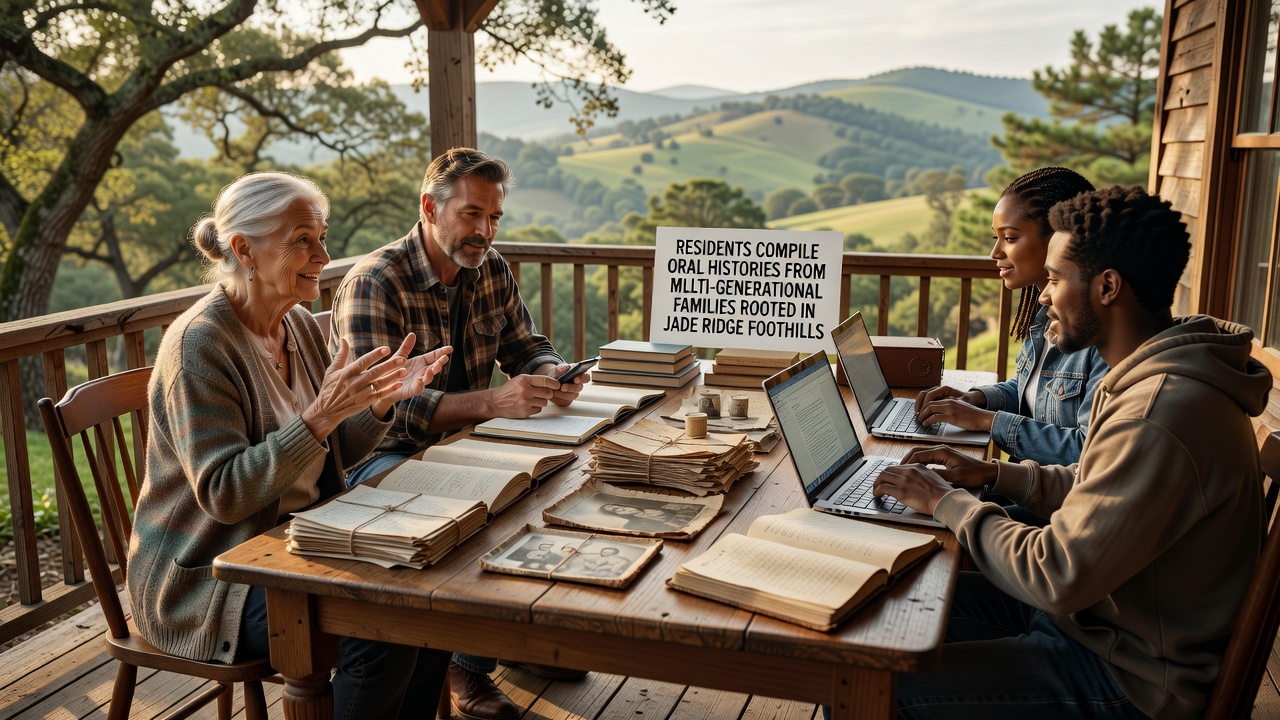
Community members across the Jade Ridge Foothills have launched a coordinated effort to record oral histories from families whose roots extend back several generations, creating a growing archive of firsthand accounts that document settlement patterns, daily life, and shifts in the local landscape since the early twentieth century. The project draws participants from households that trace their presence to the 1920s and 1930s, when many arrived to work timber stands or establish small farms along the lower slopes.
Researchers affiliated with the effort have conducted structured interviews that capture details ranging from seasonal migration routes used by early residents to the gradual transition from logging camps to permanent homesteads, while volunteers trained in basic recording techniques handle audio capture and transcription to maintain consistency across sessions. Data collected so far shows that at least forty families have contributed material, with sessions typically lasting between ninety minutes and two hours and covering topics such as water rights disputes, school consolidation, and changes in crop selection driven by soil conditions observed over decades.
Project Origins and Expansion
The initiative began in late 2024 when a group of local historians noticed gaps in written records for the foothills region and proposed collecting spoken narratives before more elders passed away. Organizers secured modest grants from regional heritage funds, which allowed purchase of portable recorders and secure digital storage, and the first round of interviews wrapped up by spring 2025. Expansion followed quickly after word spread through community bulletin boards and school newsletters, bringing in additional families who had previously remained outside formal historical efforts.
One study revealed that interview questions focus on verifiable events such as specific flood years or the opening of the original ridge road, which helps cross-reference accounts against county ledgers and newspaper archives. Participants receive copies of their recordings along with edited transcripts, and the full collection will eventually reside in a publicly accessible digital repository hosted by the county library system. Observers note that the process encourages younger relatives to participate by asking follow-up questions, which often surfaces details about household economies and informal trade networks that written documents rarely mention.
Recording Methods and Themes Emerging
Interviewers follow a standardized protocol developed in consultation with university archivists, beginning with basic biographical details before moving into open-ended prompts about work routines, family celebrations, and interactions with neighboring communities. Audio files undergo quality checks and receive metadata tags that include dates, locations, and keywords, making later searches straightforward for anyone using the eventual online platform. Themes that surface repeatedly include the impact of the 1940s drought on pasture management, the arrival of electricity in the 1950s, and the gradual shift from mixed farming to specialized berry operations that still dominate parts of the foothills today.
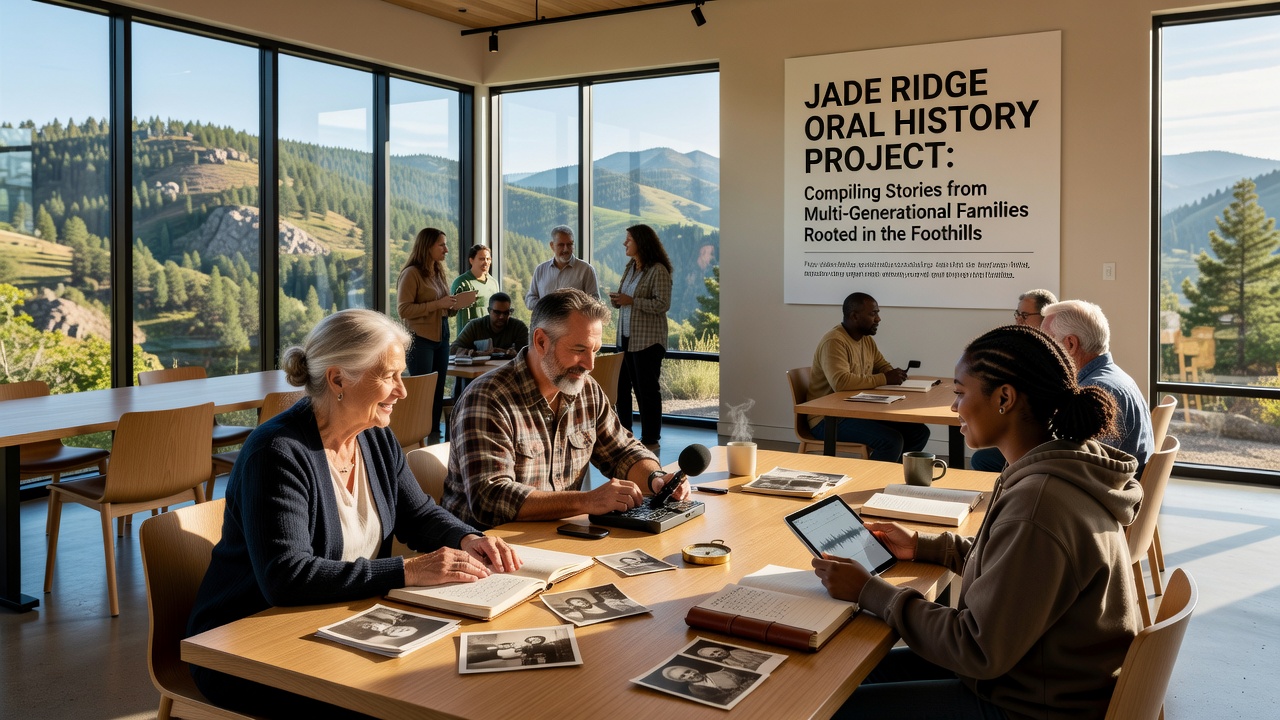
Figures from the project database indicate that roughly sixty percent of recorded material centers on land stewardship practices passed down through families, while the remaining forty percent addresses social changes such as the integration of new residents after the 1970s and evolving relationships with nearby towns. Transcripts undergo review by at least two volunteers to flag unclear passages or names, and participants can request redactions before final deposit. The approach mirrors protocols used by oral history programs at institutions across North America and Europe, where emphasis on consent and accuracy helps ensure long-term usability of the material.
Community Involvement and Upcoming Milestones
Local schools have begun incorporating short excerpts into social studies units, allowing students to hear primary voices describe events that textbooks mention only briefly. Public listening sessions held at the foothills community center draw steady attendance, with residents bringing additional photographs or documents that complement the audio record. Organizers plan a larger public presentation for October 2026 that will feature selected clips alongside a timeline display mapping family movements across the ridge over the past century. That event will also mark the formal launch of the searchable online archive, which will carry Creative Commons licensing to encourage educational reuse while protecting individual privacy preferences.
Archivists from the state historical society have offered guidance on long-term preservation standards, including recommendations for file formats and backup procedures that align with guidelines issued by the Oral History Association. A second partnership with researchers at the University of Alberta’s Kule Folklore Centre provides comparative frameworks drawn from similar projects in the Canadian Rockies, helping local teams refine questions that capture environmental knowledge embedded in family stories. These connections supply technical support without shifting control of the archive away from the foothills residents who initiated the work.
Conclusion
The oral history compilation continues to grow as more families schedule sessions and volunteers process incoming material, building a layered record that connects personal memory with broader patterns of settlement and adaptation in the Jade Ridge Foothills. The October 2026 presentation will serve as a checkpoint rather than an endpoint, since organizers expect additional contributions from households that have not yet participated. Once the digital collection opens, researchers and residents alike will have access to a resource that preserves details otherwise at risk of fading, while the collaborative model demonstrates how communities can document their own histories using consistent methods and shared stewardship.