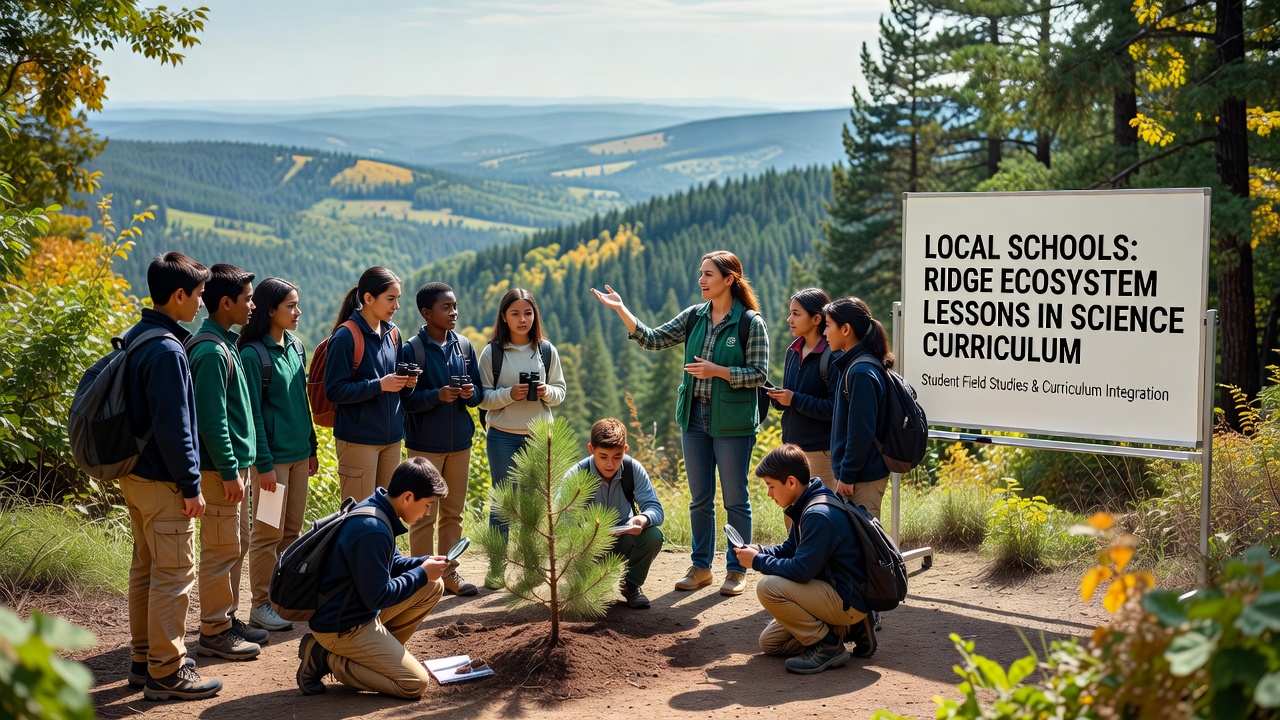
Eden Hughes · 18 September 2026
Local Schools Integrate Ridge Ecosystem Lessons into Science Curriculum for Students
Local school districts have begun rolling out new science curriculum modules that focus on the ridge ecosystem, with lessons scheduled to expand across multiple grade levels starting in September 2026. These additions cover topics such as soil composition, native plant species, water flow patterns, and wildlife interactions specific to the area, and they align with existing state science standards. District officials report that the modules were developed in coordination with regional environmental agencies and university researchers who supplied field data and teaching resources.
Curriculum Development Process
Teachers from several elementary and middle schools participated in workshops last spring where they reviewed case studies on local biodiversity and learned methods for incorporating hands-on activities into daily lessons. The materials include data sets on seasonal changes in vegetation cover and maps that track animal migration routes through the ridge, and students will use these resources to build models of food webs and conduct basic water quality tests. One program coordinator noted that the content draws directly from ongoing monitoring projects managed by state wildlife services.
Research indicates that environmental education programs tied to nearby ecosystems can improve student engagement with core science concepts. Figures from a 2025 report by Environment and Climate Change Canada show measurable gains in student understanding of ecological relationships when lessons reference real regional examples rather than generic textbook scenarios. Local districts have adapted similar approaches by using satellite imagery and ground surveys collected over the past three years.
Implementation Timeline and Resources
Full classroom rollout begins in September 2026 for grades four through seven, with pilot sessions already underway in two schools during the current term. Each participating classroom receives kits containing soil samples, magnifying tools, and field guides produced in partnership with nearby conservation groups. Teachers will track progress through standardized assessments that measure both content knowledge and application of scientific methods such as observation recording and hypothesis testing.
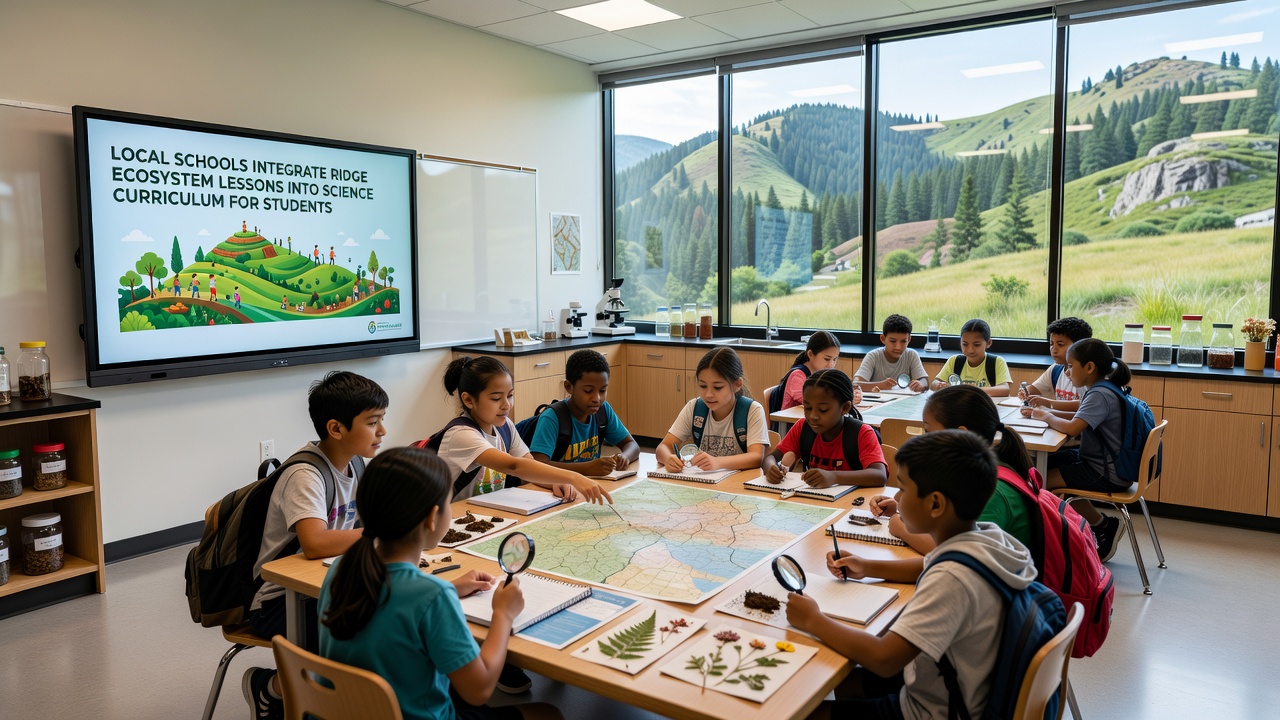
Additional support comes from a grant administered by the National Science Foundation that funds teacher training and equipment purchases. The grant also covers transportation for limited field visits where students collect observations under supervision. Data collected during these outings feeds into a shared database used by both schools and local research teams for long-term ecosystem tracking.
Supporting Educational Research
Studies conducted by the University of Melbourne on place-based science instruction found that students retained information about local environmental processes at higher rates when lessons connected directly to their surroundings. Those findings align with observations from district evaluators who note increased participation in science fairs featuring ridge-related projects. Curriculum designers incorporated these insights by structuring units around seasonal cycles observed in the ridge, including spring wildflower blooms and fall leaf litter decomposition.
Schools have also introduced cross-curricular elements that link the ecosystem lessons to mathematics through data graphing exercises and to language arts through report writing on field observations. This integrated format follows recommendations outlined in guidelines from the Australian Curriculum, Assessment and Reporting Authority, which emphasize connections across subject areas to reinforce core skills.
Community and Agency Involvement
Local natural resource offices supplied updated species lists and habitat maps that reflect recent changes in vegetation density and water availability. These materials help students understand how external factors such as weather patterns influence the ridge environment over time. Community volunteers with expertise in botany and hydrology have been invited to speak in classrooms during specific units scheduled for the fall semester.
Assessment protocols require students to demonstrate understanding through experiments that measure variables like soil pH and insect diversity in controlled settings. Results from these activities contribute to a district-wide summary report issued each spring, and the first such report incorporating the new modules will appear in 2027.
Conclusion
The integration of ridge ecosystem content into the science curriculum represents a coordinated effort among school districts, research institutions, and government agencies to connect classroom instruction with observable local conditions. Implementation details continue to evolve based on teacher feedback and student performance metrics, with the September 2026 expansion marking a key milestone in the multi-year project. Ongoing evaluation will determine how these lessons influence long-term student outcomes in science proficiency and environmental awareness.